AI and the Entry-Level Job Market: Separating Hype from Economic Reality
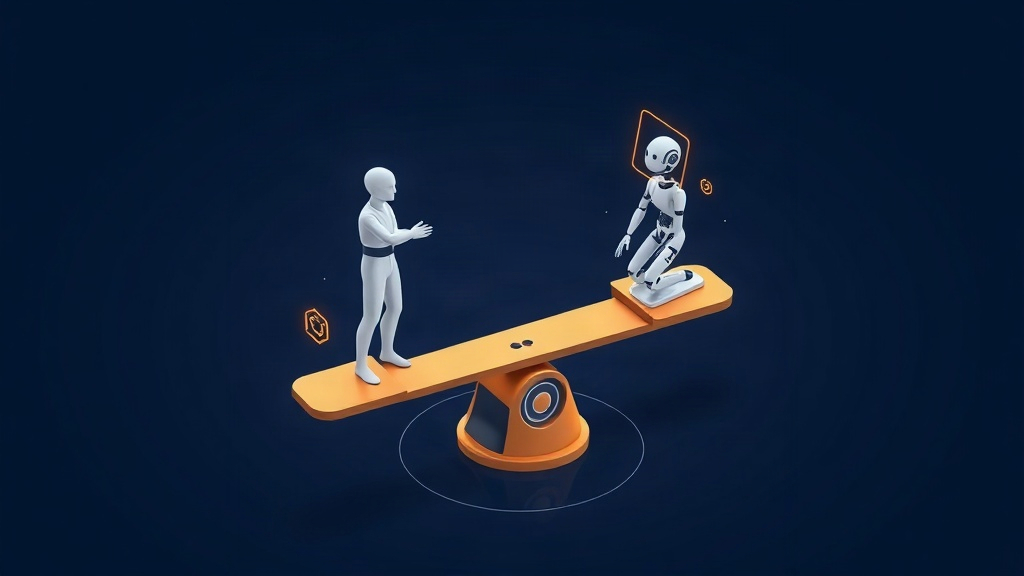
The Narrative: AI Is Stealing Entry-Level Jobs
Headlines across the web scream that artificial intelligence is making it harder for recent graduates to land their first jobs. The logic seems straightforward: if an AI can draft reports, write code, or analyze data, why would a company pay a human entry-level salary to do the same? Anecdotal stories flourish—a grad sends out 200 resumes with no response, a friend’s internship is cancelled due to ‘AI implementation.’ It’s a compelling story, and for many, it’s a lived reality.
But is the evidence actually there? Or are we conflating correlation with causation?
What the Data Actually Says
Economists, who tend to be a cautious bunch, are pushing back. While they acknowledge that AI is reshaping the workplace, they point out that broad hiring slowdowns are driven by macroeconomic factors—interest rates, inflation, and post-pandemic restructuring—not just automation. A 2024 study by the National Bureau of Economic Research found that entry-level hiring had declined, but the decline began before the widespread adoption of generative AI tools like ChatGPT. The study also noted that companies that adopted AI did not necessarily reduce hiring; in fact, many increased productivity and then hired for new roles that didn’t exist before.
Furthermore, a survey by the World Economic Forum indicated that while 85% of companies planned to adopt AI, they also expected to create net new jobs—particularly roles that require human judgment, emotional intelligence, and creativity. The problem is that these new roles require new skills, which the current educational system has not caught up with.
The Skills Mismatch: The Real Culprit?
So, if AI isn’t simply ‘taking’ jobs, why do graduates feel so rejected? The answer may lie in the changing nature of work. Employers are no longer looking for pure technical skills that AI can replicate. They want candidates who can leverage AI as a partner, who can critically evaluate AI outputs, and who bring unique human perspectives. A 2025 LinkedIn report highlighted that ‘AI literacy’ is now among the top five skills companies seek in entry-level candidates, but only 30% of recent graduates have any formal AI training.
This creates a mismatch: graduates are applying with traditional resumes; employers are screening for AI fluency. The result is a frustrating void between expectation and reality.
Business Implications: Rethink Your Hiring Strategy
For B2B leaders, the takeaway is clear. If you are a hiring manager, don’t use AI as a blunt instrument to cut entry-level costs. Instead, use it to eliminate repetitive tasks, freeing your junior employees to focus on higher-order problems. Invest in onboarding programs that train new hires to work with AI tools effectively. If you’re a recent grad, the advice is to lean into adaptability—show, don’t tell, how you’ve experimented with AI in academic projects or internships. And if you’re a business strategist, the data suggests a shift: don’t just look at headcount; look at productivity per employee. AI can raise that metric, but only with a workforce that knows how to wield it.
The Economist’s Verdict
As NPR’s original story points out, economists aren’t dismissing the pain of job-seeking grads. They’re asking everyone to look at the bigger picture. AI is not a jobs apocalypse—it’s a catalyst for a more rapid evolution of job functions. The real issue is our collective speed of adaptation. Companies that thrive will be those that see AI not as a replacement for human talent, but as an amplifier for talent that is then redirected toward more complex, value-added work.
The lesson for entry-level job seekers and employers alike: don’t fear the machine; learn to dance with it.
Prepare Your Workforce for the AI Era
At KloudFokus, we help enterprises build technology roadmaps that align with workforce evolution. Our AI adoption strategies focus on upskilling and process reengineering, ensuring your organization doesn’t just adopt AI, but adapts with it. Contact us to future-proof your talent pipeline.